-
 Welcome to our website
The Art of Being Human
The Art of Feeling
We are born feelers and raised to become thinkers.
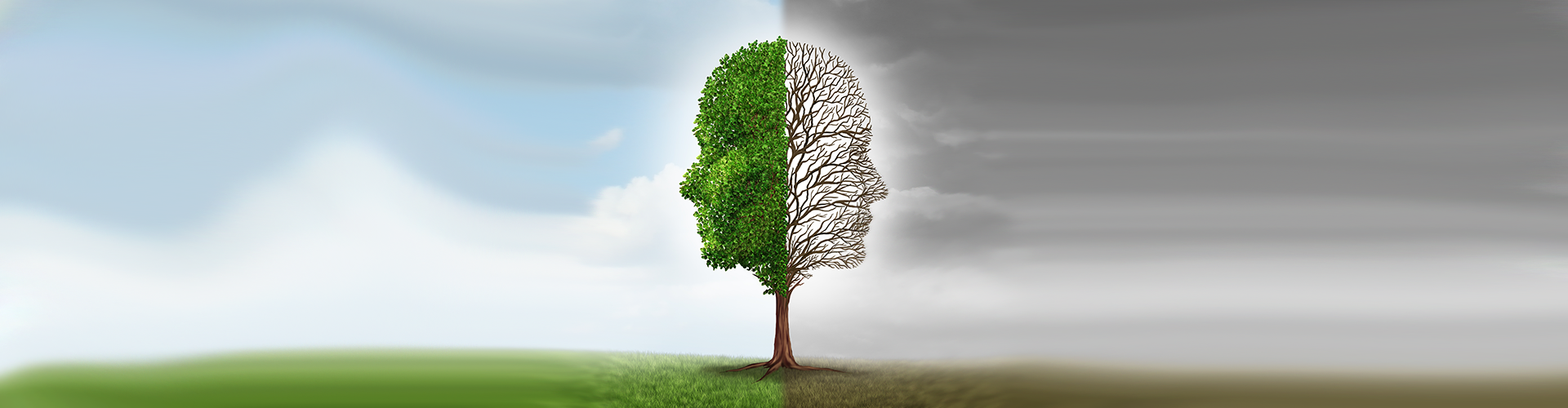
From the moment we enter the world, we experience life through our bodies. Long before we have words to explain what is happening, we respond to what feels safe or threatening, welcoming or distant, nourishing or overwhelming. As we grow older, we learn to think, understand, organize and make sense of the world around us. This is an extraordinary human capacity. But somewhere along the way, thinking can become so dominant that we gradually lose touch with what we experience from within.
Feeling is not the opposite of thinking, nor is it a weakness that needs to be overcome. Our emotions and bodily experiences continuously tell us something about the way we relate to ourselves, to others and to the life we are living. They do not tell us what to do, but they can help us recognize what matters, what affects us and what may need our attention.
When that inner connection becomes less accessible, we may continue to function remarkably well. We work, care for others, make decisions and meet the demands of everyday life. Yet at the same time, we may experience stress, pressure, physical complaints, difficulties in our relationships or simply a growing sense that we are no longer fully present in our own lives.
The Art of Feeling is an invitation to become curious about what is already there.
Not to become someone else, but to meet yourself more fully. Not to get rid of difficult emotions, but to discover what they may be telling you. And not to stop thinking, but to allow feeling and thinking to become connected again.
For more than forty years, my work as a physiotherapist and haptotherapist, together with my experiences in elite sport, coaching and working with people and organizations, has brought me back to the same human questions. What helps us feel secure enough to be ourselves? How do we remain connected to ourselves while living and working with others? And how can we perform, love, choose and live without gradually losing touch with who we are?
Haptotherapy is one of the ways in which I explore these questions with people. Through conversation, experience and affective contact, it creates an opportunity to become more aware of how you relate to yourself, to others and to the world around you.
Because ultimately, the aim is not simply to feel good.
It is to feel well.
Explore: